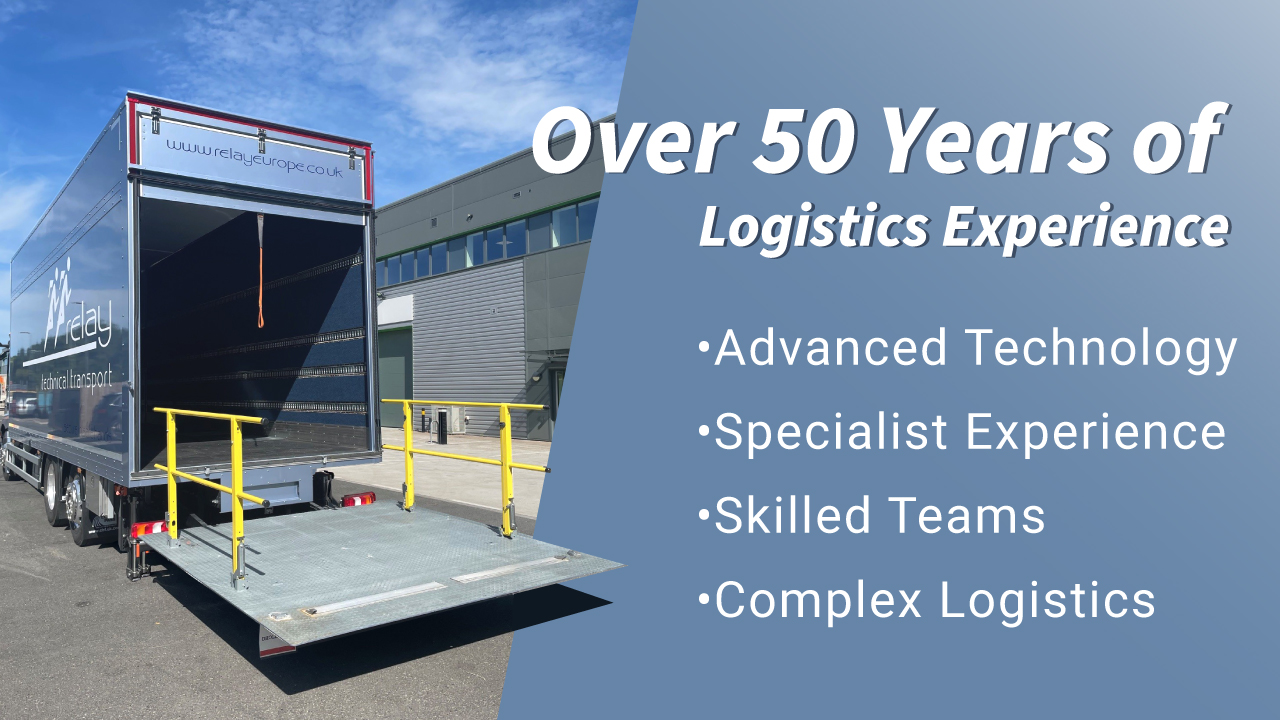
Technology has transformed the logistics industry. From real-time tracking and route optimisation to automated warehouse systems and digital project management, businesses now have access to tools that make transporting goods more efficient, transparent and predictable.
However, when it comes to transporting high-value, sensitive or technically complex equipment, technology alone cannot guarantee a successful outcome.
Experienced people remain at the heart of specialist logistics. Their knowledge, practical skills and ability to respond to unexpected challenges can make the difference between a straightforward delivery and a costly disruption.
Specialist Logistics Experience
Transporting a standard pallet of goods is very different from relocating a sophisticated medical device, installing sensitive laboratory equipment or moving critical IT infrastructure.
These projects often involve equipment that is fragile, unusually heavy, expensive or essential to business operations. There may be restricted access, demanding installation requirements, tight deadlines or complex safety considerations.
While technology can help plan and monitor these movements, experienced logistics professionals understand the practical challenges that may not be immediately apparent on a screen.
They know which questions to ask, what potential problems to anticipate and how to develop a transport plan that protects the equipment, the people handling it and the customer's operations.
The Value of Experienced Project Coordinators
Successful specialist transport projects begin long before a vehicle arrives at the collection point.
Experienced project coordinators assess the requirements of each movement, considering factors such as equipment dimensions, weight, access restrictions, delivery schedules and any specialist handling requirements.
They also understand the importance of communication.
A project may involve manufacturers, facilities managers, engineers, transport crews and installation teams, all working to a shared timetable. Coordinating these different parties requires more than scheduling software. It takes experience to identify potential conflicts, establish realistic timescales and ensure everyone understands their responsibilities.
When circumstances change, an experienced coordinator can assess the implications and make informed decisions to keep the project moving.
Trained Engineers and Specialist Crews Make the Difference
High-value equipment frequently requires specialist handling techniques, appropriate lifting equipment and careful preparation.
For example, transporting sensitive electronic systems may involve protective packaging, air-cushioned vehicles and secure loading arrangements to minimise the risk of vibration or impact.
Moving large industrial machinery could require a detailed site survey, specialist lifting equipment and a carefully planned route through restricted access points.
Experienced crews understand how to approach these challenges safely and efficiently.
Their training and practical knowledge allow them to assess equipment, select appropriate handling methods and adapt to the conditions they encounter on site.
Importantly, they also recognise when a situation requires additional precautions rather than simply proceeding with the original plan.
This combination of technical competence and professional judgement is particularly valuable when dealing with equipment that cannot easily be repaired or replaced.
When the Unexpected Happens
Even the most carefully planned logistics project can encounter unforeseen circumstances.
A delivery entrance may prove narrower than expected. A lift may be unavailable. A customer might need to change an installation schedule at short notice. Unexpected site conditions could prevent equipment from being moved as originally planned.
Digital systems can communicate these changes, but they cannot always determine the safest or most practical response.
Experienced logistics professionals can evaluate the situation, consider alternative approaches and make decisions based on their understanding of the equipment, the site and the risks involved.
In specialist logistics, knowing when to stop and reassess can be just as important as knowing how to proceed.
Experience Builds Confidence
When a business entrusts a logistics provider with valuable equipment, it is placing considerable responsibility in that provider's hands.
The customer needs confidence that the equipment will arrive safely, that any installation requirements will be understood and that potential problems will be addressed professionally.
That confidence comes from more than an impressive fleet or sophisticated tracking technology. It comes from dealing with knowledgeable people who understand the requirements of the project and can demonstrate a considered, practical approach.
At Relay Technical Transport, we understand the importance of combining specialist equipment, careful planning and experienced personnel.
From the initial assessment and project coordination through to transportation, positioning and installation, our approach focuses on delivering a professional service tailored to the equipment and the customer's requirements.